

While you can technically use clean 10W40 motor oil as chainsaw bar oil in a sudden emergency, it lacks the sticky tackifiers required to keep the chain lubricated safely, meaning it should never be your long-term choice. If you are standing in your garage right now, wondering if you can get away with using motor oil for a quick weekend job, this guide is for you. First, we will explore how true bar oil actually works to protect your saw. Next, we will break down how 10W40 behaves in both hot and cold conditions. Finally, we will cover the real risks of using substitutes and highlight safer alternatives for your equipment.
What Chainsaw Bar Oil Is and Why It Matters
Using the correct fluids is critical to your tool’s lifespan. To understand why motor oil falls short, you need to know what chainsaw bar oil actually is and how it is specifically engineered. A chainsaw has three main friction points: the guide bar rails, the chain drive links, and the nose sprocket.
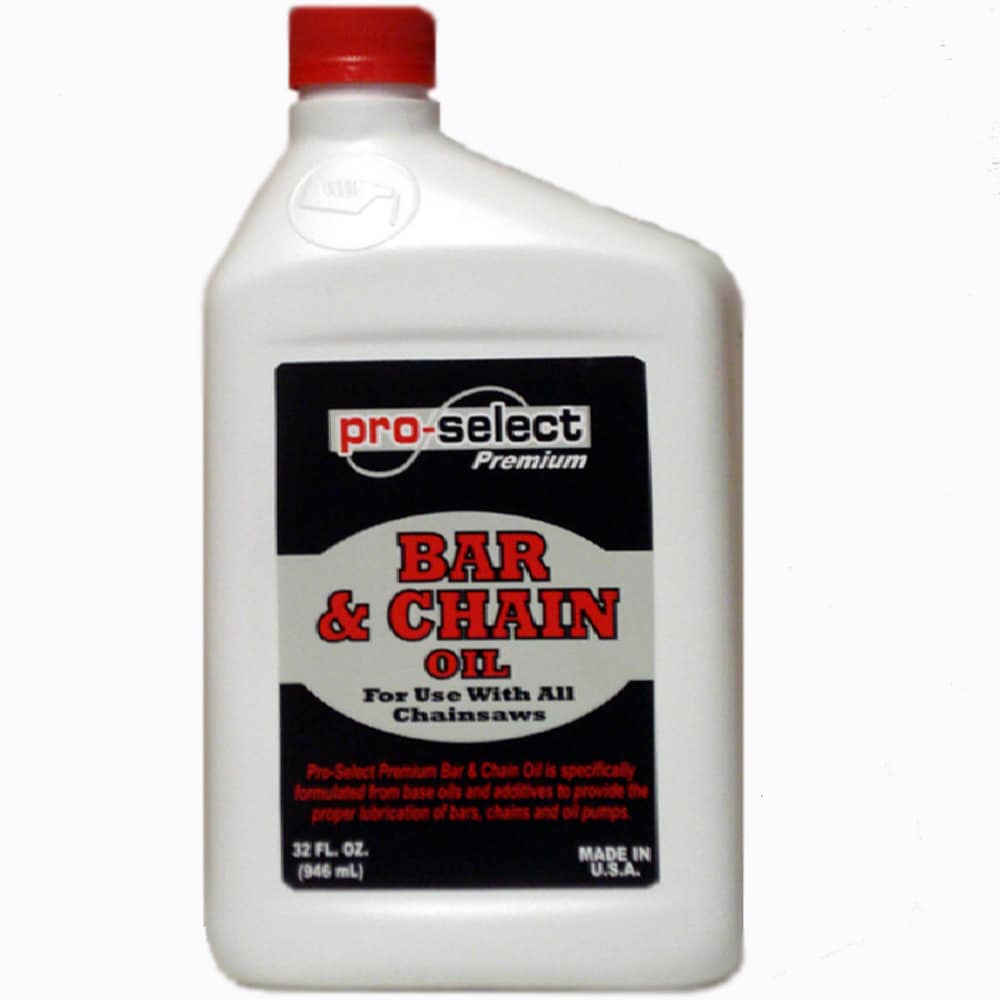
First, bar oil protects all three of these points by reducing extreme metal-on-metal friction. Next, it carries away the intense heat generated by high-speed cutting. The secret ingredient in real bar oil is a chemical additive called a “tackifier.” Tackifiers make the fluid highly stringy and sticky. Without them, the oil simply flies off the end of the bar before it can lubricate the bottom rails. Furthermore, true bar oil is formulated to stay on the chain whether you are cutting in summer heat or winter freezes.
Understanding Oil Weight: What Does 10W40 Mean?
Standard motor oil uses an SAE rating to describe its thickness. The “10W” stands for Winter. This means the oil flows smoothly like a thin 10-weight fluid in freezing temperatures. In contrast, the “40” means the oil maintains the protective thickness of a heavy 40-weight fluid when the engine gets extremely hot.
While this multi-viscosity behavior is great for a car engine, it is very unpredictable on a chainsaw. Standard bar oil is usually a consistent straight-weight oil. If you are curious about what weight chainsaw bar oil usually is, it typically behaves like a straight SAE 30 in the summer. When 10W40 heats up on a chainsaw bar, it thins out functionally because it lacks those crucial sticky additives, causing it to spray everywhere except where you need it most.
10W40 vs True Chainsaw Bar Oil
If you are trying to decide whether to buy proper bar oil or just use what you have in the shop, this quick comparison table breaks down the differences.
| Feature | 10W40 Motor Oil | Chainsaw Bar Oil | What It Means for Your Saw |
| Viscosity Range | Multi-weight (changes with heat) | Straight weight (consistent) | Motor oil flows unpredictably on an open cutting bar. |
| Tackiness / Cling | None (flings off easily) | High (sticks to the chain) | 10W40 will leave the bottom of your guide bar completely dry. |
| Cold Weather | Good flow but poor cling | Formulated for winter stickiness | 10W40 pumps easily in winter but still fails to stay on the chain. |
| Wear Risk | High (runs dry quickly) | Low (constant lubrication) | Motor oil causes premature wear to your bar rails and drive links. |
| Environmental | Leaves toxic stains in soil | Available in biodegradable options | Motor oil spray is highly toxic to your lawn, trees, and garden. |
Is It Safe to Use 10W40 as Chainsaw Bar Oil?
Using 10W40 is a matter of short-term emergency versus long-term damage. If you just need to make a 5-minute cut to clear a fallen branch from your driveway, fresh 10W40 will prevent the bar from immediately melting. Therefore, it is better than running the saw completely dry.
However, you face severe risks if you use it for longer jobs. First, you will experience much faster rail wear. Next, you risk ruining expensive chains and overheating the saw motor. In addition, the oil will spray all over your clothes and boots. Finally, running unapproved automotive lubricants will instantly void the manufacturer’s warranty on a brand new chainsaw. For a complete list of safe options, you should review what oil can safely be used for chainsaw bar oil before starting a large project.
Better Alternatives to 10W40 When You Have No Bar Oil
If you are completely out of dedicated bar oil, there are slightly better emergency options than 10W40. For example, a straight SAE 30 motor oil is a better summer substitute because its thickness is more consistent. Additionally, using 10W30 as chainsaw bar oil is slightly preferred over 10W40 because its hot-viscosity behaves a bit closer to standard summer bar fluid.
You must never use drained, used motor oil. Used oil contains microscopic metal shavings from the car engine. These metal shavings will instantly act like sandpaper, destroying your chainsaw oil pump and ruining the bar rails. Alternatively, if you only have light pruning to do, clean vegetable oil or canola oil works as a fantastic, biodegradable temporary fix.
How Climate and Cutting Style Affect Oil Choice
Your local weather and cutting style heavily influence how oil behaves. In cold weather, thick oils stop pumping entirely. Thin oils flow well, but without tackifiers, they fling off instantly. In hot weather, a 40-weight oil might seem like a good idea to combat the heat. However, it still lacks the stickiness needed to coat hot, expanding metal guide bars. Furthermore, light pruning puts far less stress on the oil pump than burying the full bar into dense hardwood during a heavy felling job.
When 10W40 is a particularly bad idea:
-
Cutting in freezing winter temperatures.
-
Running a high-RPM professional-grade chainsaw.
-
Milling logs or making long, sustained rip cuts.
-
Cutting near water sources, vegetable gardens, or sensitive soil.
Credit: sandglasstheater.org
Comparing 10W40 and Chainsaw Bar Oil
| Feature | 10W40 | Chainsaw Bar Oil |
|---|---|---|
| Thickness | Medium | Thick |
| Stickiness | Low | High |
| Usage | Engines | Chainsaw bars and chains |
Can You Use 10W40 for Chainsaw Bar Oil?
You can use 10W40 in a chainsaw. But it is not the best choice. Here are some reasons why:
- Thickness: 10W40 is not thick enough. It will not stay on the chain well. Chainsaw bar oil is thicker. It sticks better.
- Stickiness: 10W40 is not sticky enough. It will fly off the chain more easily. Chainsaw bar oil is made to stick.
- Wear and Tear: Using 10W40 can cause more wear on the chain. The chain might wear out faster. Chainsaw bar oil helps reduce wear.
- Heat: 10W40 might not handle the heat well. Chainsaws get very hot. Chainsaw bar oil is made to handle the heat.
When Can You Use 10W40?
Sometimes, you might need to use 10W40. Maybe you ran out of chainsaw bar oil. Or, you are in a pinch. In those cases, you can use 10W40 for a short time. But it is better to get the right oil soon.
Tips for Using 10W40 in a Chainsaw
If you must use 10W40, follow these tips:
- Check the oil often. Make sure it is still on the chain.
- Do not run the chainsaw for too long. Give it breaks to cool down.
- Use more oil. 10W40 will fly off faster. Add more oil often.
- Switch back to chainsaw bar oil as soon as you can.
Credit: www.ariens.com